
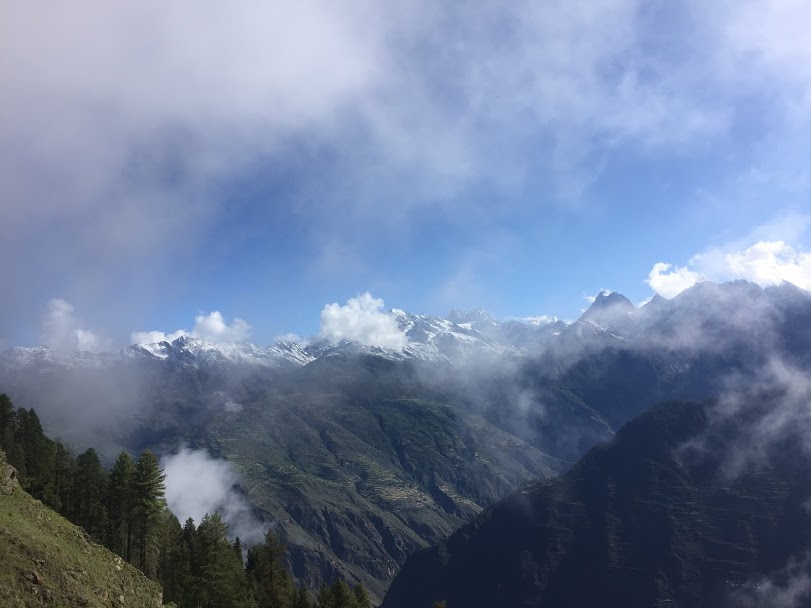
Climate change has significant impacts on Nepal, affecting various aspects of the country’s environment, economy, society, and culture. Some of the key impacts include: Glacial Melting: Nepal is home to the Himalayas and numerous glaciers. Climate change has accelerated the melting of these glaciers, leading to increased glacial lakes and the potential for glacial lake outburst floods (GLOFs). This poses risks to communities living downstream.
Water Resources: Changes in precipitation patterns and glacier melting affect water availability. This impacts agriculture, hydropower generation, and drinking water supply, particularly in dry seasons and for communities dependent on glacier-fed rivers.
Agriculture: Shifts in weather patterns, erratic rainfall, and changing temperatures affect crop yields and agricultural productivity. Traditional farming practices are being challenged, leading to food insecurity for vulnerable communities. Natural Disasters: Climate change contributes to the increased frequency and intensity of extreme weather events like floods, landslides, and droughts. These disasters have severe socio-economic impacts, causing loss of lives, displacement, and damage to infrastructure. Biodiversity: Changes in temperature and precipitation patterns threaten Nepal’s rich biodiversity, impacting ecosystems, species’ habitats, and migration patterns. This affects both flora and fauna, disrupting delicate ecological balances.
Health Impacts: Climate change influences the spread of vector-borne diseases, such as malaria and dengue fever, due to changing temperature and rainfall patterns. Additionally, natural disasters can lead to health crises, affecting the well-being of communities.
Tourism and Livelihoods: Nepal’s tourism industry, centered around the Himalayas and trekking, faces challenges due to changes in landscape, altered trekking routes, and risks associated with natural disasters. This affects the livelihoods of many dependent on tourism.
Infrastructure and Development: Increased frequency of natural disasters puts pressure on infrastructure, affecting roads, buildings, and other critical facilities. Rebuilding and adapting infrastructure to be more resilient is an ongoing challenge. Nepal, being a mountainous and geographically diverse country, is particularly vulnerable to the impacts of climate change. Efforts to mitigate these impacts and adapt to changing conditions include initiatives focused on sustainable development, community resilience building, climate-smart agriculture, and policies promoting conservation and renewable energy adoption. International cooperation and support, along with local-level efforts and awareness, are crucial in addressing the multifaceted challenges posed by climate change in Nepal.
Good job